

ATO by 3DLAB Sparq
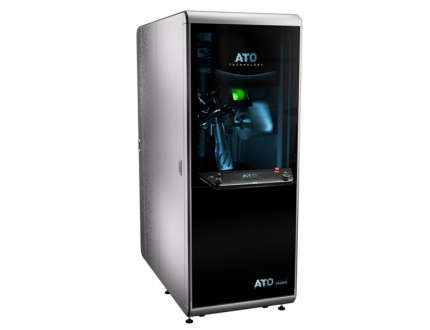
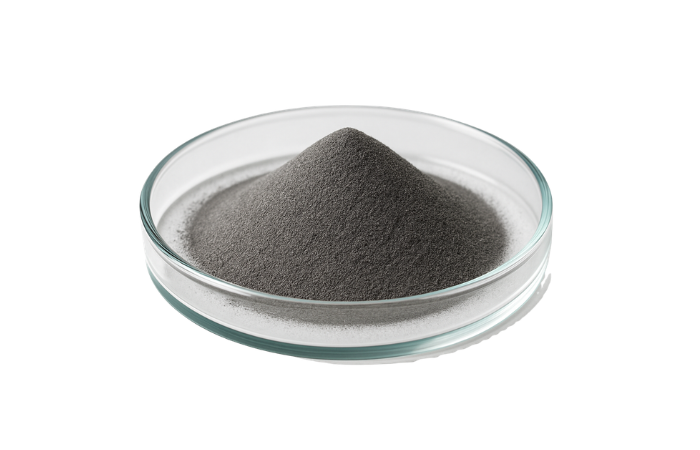
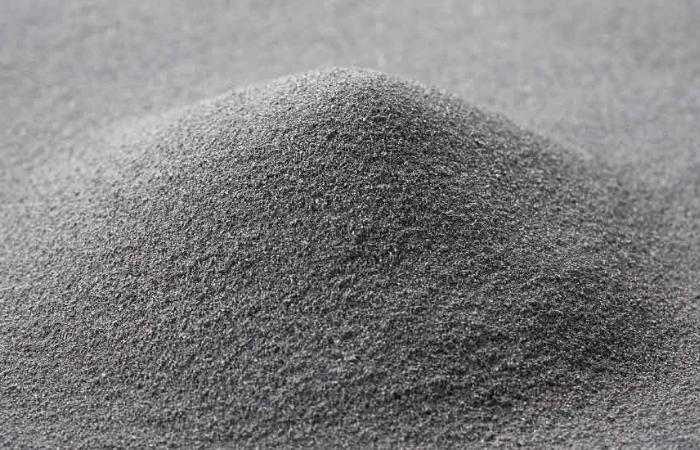
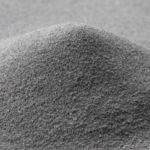
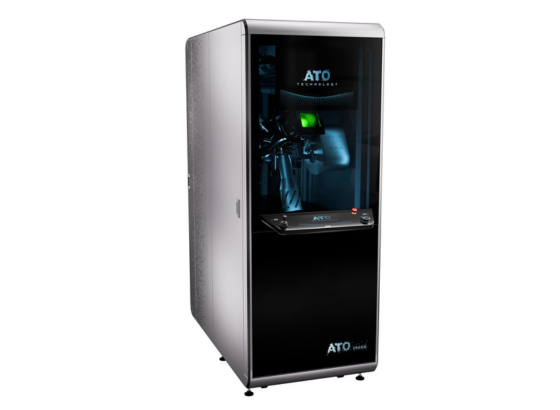
ATO Sparq – AI-Driven Ultrasonic Metal Atomizer for Additive ManufacturingATO Sparq is an advanced ultrasonic metal powder atomizer engineered for manufacturers, research labs, and AM facilities that demand precision and flexibility. By combining AI-driven process control with ultrasonic atomization, ATO Sparq enables rapid, in-house production of spherical metal powders with tightly controlled particle size distribution. Its modular design supports scalable production while maintaining low oxygen levels, ensuring reliable powder performance across demanding 3D printing applications.

Features and Benefits
From Melt to Powder — Controlled, Clean, and Consistent
Printer Specifications
Engineered for Precision and Performance
Materials
42CrMo4
Steel is widely used across industries due to its low cost, high mechanical strength, and versatile heat treatment options. Its steel powders, produced via atomization, offer a balanced mix of quality, yield, and process stability, with a homogeneous, narrow particle distribution ideal for various manufacturing methods.
AMS5832
Steel is widely used across industries due to its low cost, high mechanical strength, and versatile heat treatment options. Its steel powders, produced via atomization, offer a balanced mix of quality, yield, and process stability, with a homogeneous, narrow particle distribution ideal for various manufacturing methods.
Fe 99,5%
Steel is widely used across industries due to its low cost, high mechanical strength, and versatile heat treatment options. Its steel powders, produced via atomization, offer a balanced mix of quality, yield, and process stability, with a homogeneous, narrow particle distribution ideal for various manufacturing methods.
FeMn
Steel is widely used across industries due to its low cost, high mechanical strength, and versatile heat treatment options. Its steel powders, produced via atomization, offer a balanced mix of quality, yield, and process stability, with a homogeneous, narrow particle distribution ideal for various manufacturing methods.
PH177 Garba
Steel is widely used across industries due to its low cost, high mechanical strength, and versatile heat treatment options. Its steel powders, produced via atomization, offer a balanced mix of quality, yield, and process stability, with a homogeneous, narrow particle distribution ideal for various manufacturing methods.
SS304
Steel is widely used across industries due to its low cost, high mechanical strength, and versatile heat treatment options. Its steel powders, produced via atomization, offer a balanced mix of quality, yield, and process stability, with a homogeneous, narrow particle distribution ideal for various manufacturing methods.
SS316L
Steel is widely used across industries due to its low cost, high mechanical strength, and versatile heat treatment options. Its steel powders, produced via atomization, offer a balanced mix of quality, yield, and process stability, with a homogeneous, narrow particle distribution ideal for various manufacturing methods.
Ti OCT 1-90013-81
Titanium is a highly promising 21st-century material, offering excellent strength-to-density and corrosion resistance. Like steel, it can be efficiently atomized using ultrasonic methods, enabling stable, automatable production. While titanium powders have strong commercial potential, controlling oxygen and nitrogen absorption remains a key challenge in the atomization process.

Ti5Al2.5Sn
Titanium is a highly promising 21st-century material, offering excellent strength-to-density and corrosion resistance. Like steel, it can be efficiently atomized using ultrasonic methods, enabling stable, automatable production. While titanium powders have strong commercial potential, controlling oxygen and nitrogen absorption remains a key challenge in the atomization process.
TiAl
Titanium is a highly promising 21st-century material, offering excellent strength-to-density and corrosion resistance. Like steel, it can be efficiently atomized using ultrasonic methods, enabling stable, automatable production. While titanium powders have strong commercial potential, controlling oxygen and nitrogen absorption remains a key challenge in the atomization process.
TiMoSi
Titanium is a highly promising 21st-century material, offering excellent strength-to-density and corrosion resistance. Like steel, it can be efficiently atomized using ultrasonic methods, enabling stable, automatable production. While titanium powders have strong commercial potential, controlling oxygen and nitrogen absorption remains a key challenge in the atomization process.
Titanium Gr.1
Titanium is a highly promising 21st-century material, offering excellent strength-to-density and corrosion resistance. Like steel, it can be efficiently atomized using ultrasonic methods, enabling stable, automatable production. While titanium powders have strong commercial potential, controlling oxygen and nitrogen absorption remains a key challenge in the atomization process.
Titanium Gr.2
Titanium is a highly promising 21st-century material, offering excellent strength-to-density and corrosion resistance. Like steel, it can be efficiently atomized using ultrasonic methods, enabling stable, automatable production. While titanium powders have strong commercial potential, controlling oxygen and nitrogen absorption remains a key challenge in the atomization process.
Titanium Gr.5 (Ti6Al4V)
Titanium is a highly promising 21st-century material, offering excellent strength-to-density and corrosion resistance. Like steel, it can be efficiently atomized using ultrasonic methods, enabling stable, automatable production. While titanium powders have strong commercial potential, controlling oxygen and nitrogen absorption remains a key challenge in the atomization process.
Inconel 625
Nickel-based alloys are widely used in aerospace for their high temperature and corrosion resistance, combined with good strength and ductility. Ultrasonic atomization produces stable, homogeneous powders with very low oxygen uptake, making it an efficient method for scrap recycling and appealing for companies aiming to reduce carbon footprint and improve ESG ratings.
Inconel 718
Nickel-based alloys are widely used in aerospace for their high temperature and corrosion resistance, combined with good strength and ductility. Ultrasonic atomization produces stable, homogeneous powders with very low oxygen uptake, making it an efficient method for scrap recycling and appealing for companies aiming to reduce carbon footprint and improve ESG ratings.
Ni 99%
Nickel-based alloys are widely used in aerospace for their high temperature and corrosion resistance, combined with good strength and ductility. Ultrasonic atomization produces stable, homogeneous powders with very low oxygen uptake, making it an efficient method for scrap recycling and appealing for companies aiming to reduce carbon footprint and improve ESG ratings.
NiTi
Nickel-based alloys are widely used in aerospace for their high temperature and corrosion resistance, combined with good strength and ductility. Ultrasonic atomization produces stable, homogeneous powders with very low oxygen uptake, making it an efficient method for scrap recycling and appealing for companies aiming to reduce carbon footprint and improve ESG ratings.
NiTiHf
Nickel-based alloys are widely used in aerospace for their high temperature and corrosion resistance, combined with good strength and ductility. Ultrasonic atomization produces stable, homogeneous powders with very low oxygen uptake, making it an efficient method for scrap recycling and appealing for companies aiming to reduce carbon footprint and improve ESG ratings.
Al 99,99%
Aluminum is a widely used non-ferrous alloy due to its low density, good strength, and corrosion resistance. Although atomization is challenging, the resulting powder meets most 3D printer requirements, with a sphericity of 0.93 and an average particle size of about 50 µm.
Al4047
Aluminum is a widely used non-ferrous alloy due to its low density, good strength, and corrosion resistance. Although atomization is challenging, the resulting powder meets most 3D printer requirements, with a sphericity of 0.93 and an average particle size of about 50 µm.
Al5183
Aluminum is a widely used non-ferrous alloy due to its low density, good strength, and corrosion resistance. Although atomization is challenging, the resulting powder meets most 3D printer requirements, with a sphericity of 0.93 and an average particle size of about 50 µm.
Al7075
Aluminum is a widely used non-ferrous alloy due to its low density, good strength, and corrosion resistance. Although atomization is challenging, the resulting powder meets most 3D printer requirements, with a sphericity of 0.93 and an average particle size of about 50 µm.
AlCoCrFeNi
Aluminum is a widely used non-ferrous alloy due to its low density, good strength, and corrosion resistance. Although atomization is challenging, the resulting powder meets most 3D printer requirements, with a sphericity of 0.93 and an average particle size of about 50 µm.
AlMg
Aluminum is a widely used non-ferrous alloy due to its low density, good strength, and corrosion resistance. Although atomization is challenging, the resulting powder meets most 3D printer requirements, with a sphericity of 0.93 and an average particle size of about 50 µm.
AlMgCu
Aluminum is a widely used non-ferrous alloy due to its low density, good strength, and corrosion resistance. Although atomization is challenging, the resulting powder meets most 3D printer requirements, with a sphericity of 0.93 and an average particle size of about 50 µm.
AlMgSc
Aluminum is a widely used non-ferrous alloy due to its low density, good strength, and corrosion resistance. Although atomization is challenging, the resulting powder meets most 3D printer requirements, with a sphericity of 0.93 and an average particle size of about 50 µm.
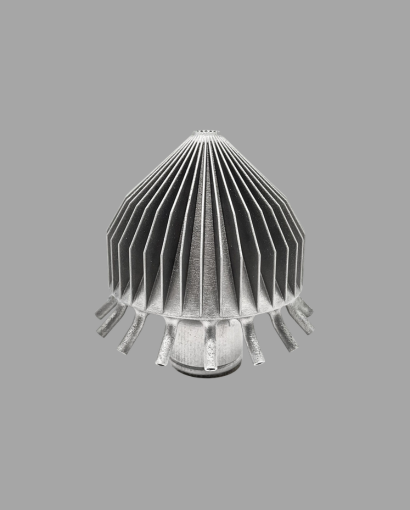
Aluminium (AlSi10Mg)
Aluminum alloys offer excellent thermal and electrical conductivity, superior corrosion resistance, and a lightweight structure with high strength-to-weight ratio. These properties make them ideal for industrial, aerospace, and engineering applications requiring durability, performance, and efficient heat dissipation.
MgAl9Zn1
Magnesium alloys are the lightest structural metals, offering high specific strength, ideal for weight-sensitive applications. Atomization is challenging due to rapid oxidation, but optimized processes can yield highly spherical powders. Using higher-frequency piezoelectric generators stabilizes the process, and advanced coating systems like ATO Lab Plus enhance safety.
AZ31
Magnesium alloys are the lightest structural metals, offering high specific strength, ideal for weight-sensitive applications. Atomization is challenging due to rapid oxidation, but optimized processes can yield highly spherical powders. Using higher-frequency piezoelectric generators stabilizes the process, and advanced coating systems like ATO Lab Plus enhance safety.
WE54
Magnesium alloys are the lightest structural metals, offering high specific strength, ideal for weight-sensitive applications. Atomization is challenging due to rapid oxidation, but optimized processes can yield highly spherical powders. Using higher-frequency piezoelectric generators stabilizes the process, and advanced coating systems like ATO Lab Plus enhance safety.
WE43
Magnesium alloys are the lightest structural metals, offering high specific strength, ideal for weight-sensitive applications. Atomization is challenging due to rapid oxidation, but optimized processes can yield highly spherical powders. Using higher-frequency piezoelectric generators stabilizes the process, and advanced coating systems like ATO Lab Plus enhance safety.
ZX00
Magnesium alloys are the lightest structural metals, offering high specific strength, ideal for weight-sensitive applications. Atomization is challenging due to rapid oxidation, but optimized processes can yield highly spherical powders. Using higher-frequency piezoelectric generators stabilizes the process, and advanced coating systems like ATO Lab Plus enhance safety.
Nb 99%
This group includes highly resilient materials, such as tungsten, molybdenum, and tantalum, which are difficult to process conventionally. Ultrasonic atomization produces fine powders suitable for most applications, with 3D Lab features reducing chamber wear. The process is stable and partially automatable.
Ta 99%
This group includes highly resilient materials, such as tungsten, molybdenum, and tantalum, which are difficult to process conventionally. Ultrasonic atomization produces fine powders suitable for most applications, with 3D Lab features reducing chamber wear. The process is stable and partially automatable.
W90Ni7Fe3
This group includes highly resilient materials, such as tungsten, molybdenum, and tantalum, which are difficult to process conventionally. Ultrasonic atomization produces fine powders suitable for most applications, with 3D Lab features reducing chamber wear. The process is stable and partially automatable.
MoSi2
This group includes highly resilient materials, such as tungsten, molybdenum, and tantalum, which are difficult to process conventionally. Ultrasonic atomization produces fine powders suitable for most applications, with 3D Lab features reducing chamber wear. The process is stable and partially automatable.

Ag 99%
Gold, platinum, and silver can be atomized into fine powders, enabling limitless design possibilities. Using ATO Noble allows zero-waste production, crucial for the jewelry industry, while preserving the metals’ original chemical composition and standard.
Au 9ct
Gold, platinum, and silver can be atomized into fine powders, enabling limitless design possibilities. Using ATO Noble allows zero-waste production, crucial for the jewelry industry, while preserving the metals’ original chemical composition and standard.
Au 18ct
Gold, platinum, and silver can be atomized into fine powders, enabling limitless design possibilities. Using ATO Noble allows zero-waste production, crucial for the jewelry industry, while preserving the metals’ original chemical composition and standard.
Au 99,99%
Gold, platinum, and silver can be atomized into fine powders, enabling limitless design possibilities. Using ATO Noble allows zero-waste production, crucial for the jewelry industry, while preserving the metals’ original chemical composition and standard.
Ir 99%
Gold, platinum, and silver can be atomized into fine powders, enabling limitless design possibilities. Using ATO Noble allows zero-waste production, crucial for the jewelry industry, while preserving the metals’ original chemical composition and standard.
Pt alloys
Gold, platinum, and silver can be atomized into fine powders, enabling limitless design possibilities. Using ATO Noble allows zero-waste production, crucial for the jewelry industry, while preserving the metals’ original chemical composition and standard.
CuAlNiFe
Copper and its alloys are valued for high electrical and thermal conductivity, corrosion resistance, and semi-precious status. While atomizing zinc-containing brass can be challenging due to high-temperature fuming, optimized parameters produce powders with excellent sphericity and homogeneity.
CuCrZr
Copper and its alloys are valued for high electrical and thermal conductivity, corrosion resistance, and semi-precious status. While atomizing zinc-containing brass can be challenging due to high-temperature fuming, optimized parameters produce powders with excellent sphericity and homogeneity.
CuM1E
Copper and its alloys are valued for high electrical and thermal conductivity, corrosion resistance, and semi-precious status. While atomizing zinc-containing brass can be challenging due to high-temperature fuming, optimized parameters produce powders with excellent sphericity and homogeneity.
CuMnAl
Copper and its alloys are valued for high electrical and thermal conductivity, corrosion resistance, and semi-precious status. While atomizing zinc-containing brass can be challenging due to high-temperature fuming, optimized parameters produce powders with excellent sphericity and homogeneity.
CuNi3Si
Copper and its alloys are valued for high electrical and thermal conductivity, corrosion resistance, and semi-precious status. While atomizing zinc-containing brass can be challenging due to high-temperature fuming, optimized parameters produce powders with excellent sphericity and homogeneity.
CuSn
Copper and its alloys are valued for high electrical and thermal conductivity, corrosion resistance, and semi-precious status. While atomizing zinc-containing brass can be challenging due to high-temperature fuming, optimized parameters produce powders with excellent sphericity and homogeneity.

CoCrFeMo
High-entropy alloys (HEAs) are being developed for superior strength-to-weight ratios, fracture resistance, tensile strength, and corrosion and oxidation resistance compared to conventional alloys. Their atomization depends on composition, with easier melting and lower surface tension aiding the process. The melting tip material must be chosen based on the alloy’s specific chemistry.
NiCrFe
High-entropy alloys (HEAs) are being developed for superior strength-to-weight ratios, fracture resistance, tensile strength, and corrosion and oxidation resistance compared to conventional alloys. Their atomization depends on composition, with easier melting and lower surface tension aiding the process. The melting tip material must be chosen based on the alloy’s specific chemistry.
FeNiCrMo
High-entropy alloys (HEAs) are being developed for superior strength-to-weight ratios, fracture resistance, tensile strength, and corrosion and oxidation resistance compared to conventional alloys. Their atomization depends on composition, with easier melting and lower surface tension aiding the process. The melting tip material must be chosen based on the alloy’s specific chemistry.
CoCrFe
High-entropy alloys (HEAs) are being developed for superior strength-to-weight ratios, fracture resistance, tensile strength, and corrosion and oxidation resistance compared to conventional alloys. Their atomization depends on composition, with easier melting and lower surface tension aiding the process. The melting tip material must be chosen based on the alloy’s specific chemistry.
FeNiAlCr
High-entropy alloys (HEAs) are being developed for superior strength-to-weight ratios, fracture resistance, tensile strength, and corrosion and oxidation resistance compared to conventional alloys. Their atomization depends on composition, with easier melting and lower surface tension aiding the process. The melting tip material must be chosen based on the alloy’s specific chemistry.

MoS2
Beyond common metals, we have successfully atomized semiconductor materials like MoS₂, producing spherical powders in lab quantities suitable for specialized AM processes. Small amounts of zirconium bulk metallic glasses have also been atomized. With proper parameter selection, other meltable and weldable materials can be atomized, considering melting temperature, oxygen affinity, and chemical composition.
B4C
Beyond common metals, we have successfully atomized semiconductor materials like MoS₂, producing spherical powders in lab quantities suitable for specialized AM processes. Small amounts of zirconium bulk metallic glasses have also been atomized. With proper parameter selection, other meltable and weldable materials can be atomized, considering melting temperature, oxygen affinity, and chemical composition.

Talk to Our Experts
Explore our Page for more product range.