

Overview
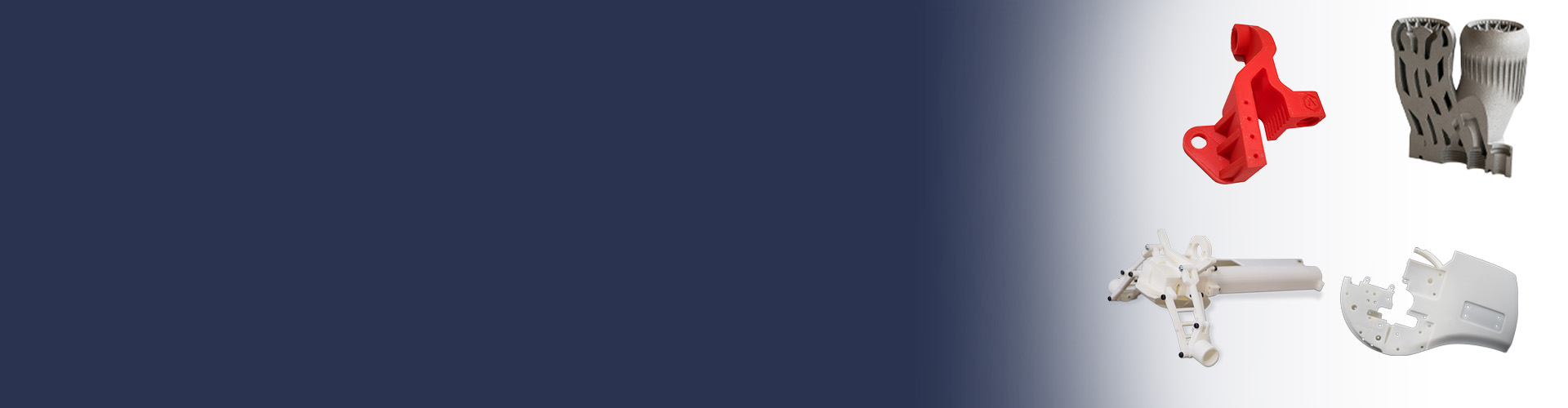
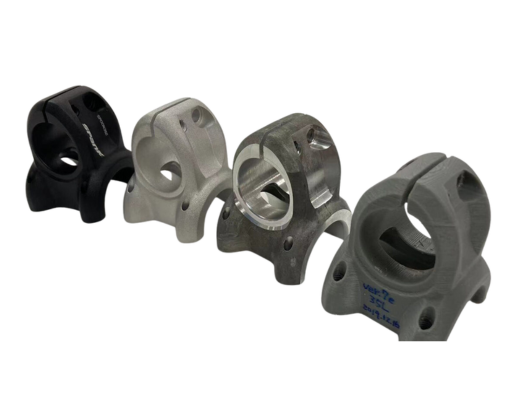
Rapid prototyping with 3D printing empowers designers, engineers, and innovators to quickly fabricate physical models directly from CAD data. It eliminates long lead times, reduces iteration costs, and enhances product development agility. By leveraging 3D printing technologies, businesses can test form, fit, and functionality in real time accelerating innovation, improving design accuracy, and reducing time-to-market. Whether creating concept models or functional prototypes, 3D printing brings efficiency and flexibility to every stage of product development.
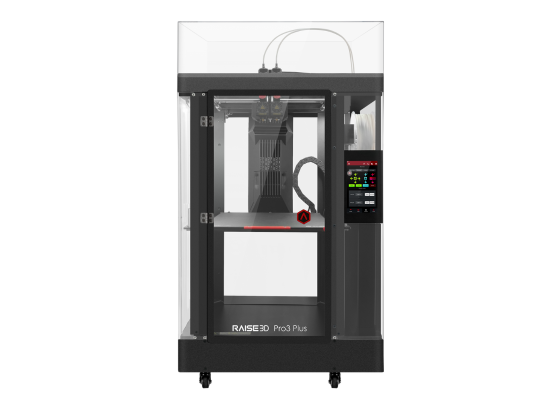
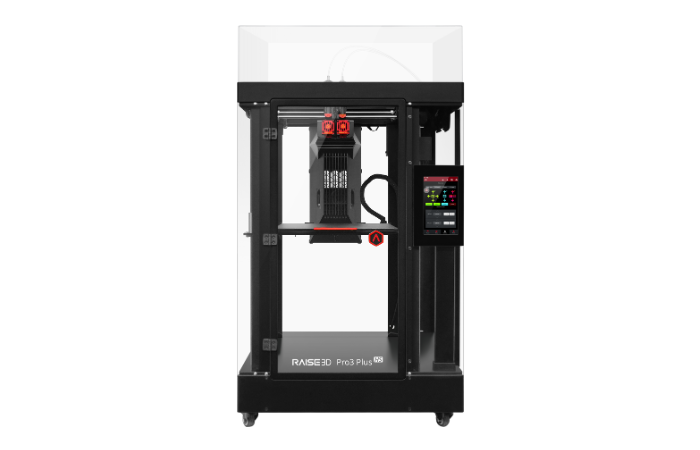
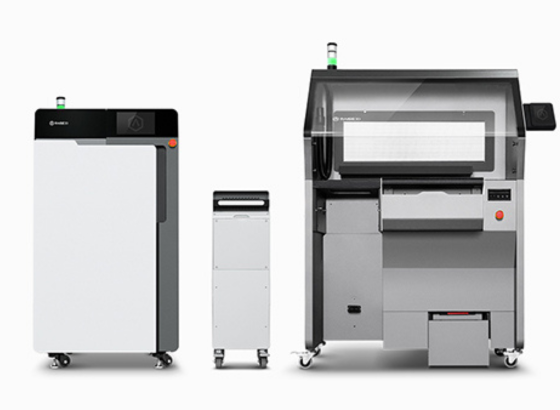
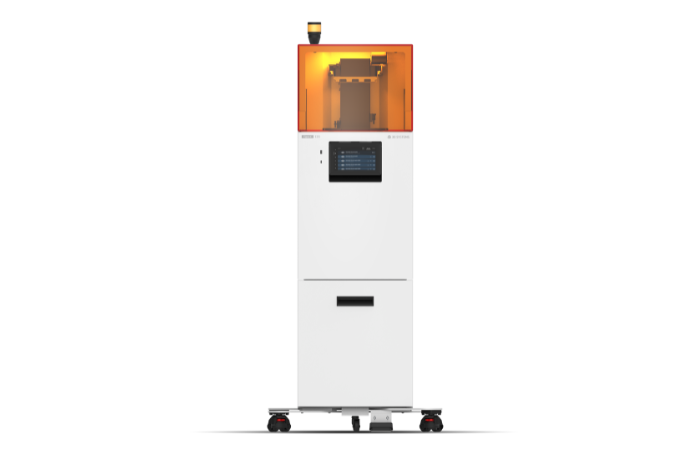
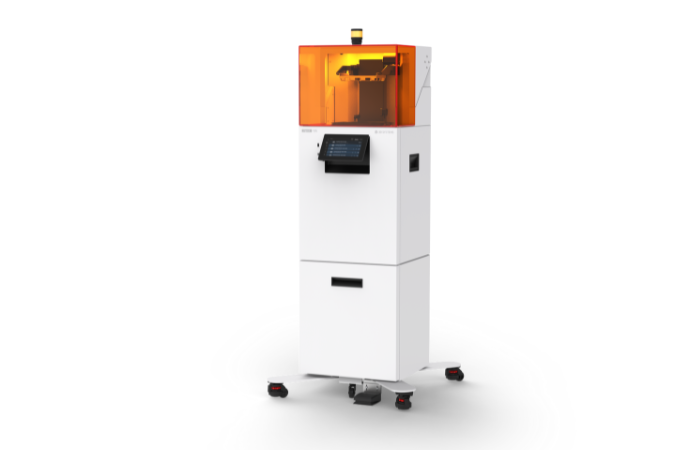
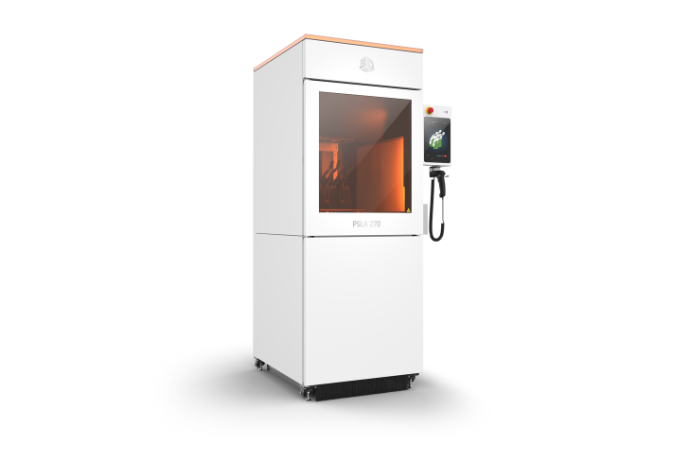
Talk to Our Experts
Discover how rapid prototyping with 3D printing can accelerate your product development connect with our specialists today.
Industries Benefiting from Rapid Prototyping
From concept validation to production ready prototypes - 3D printing accelerates innovation across every industry.


FAQ
Rapid prototyping uses additive manufacturing to quickly create physical models of designs from CAD, enabling review of fit, form and function before full production
It dramatically reduces development cycle, allows design iteration, lowers initial tooling cost and supports early validation of parts
SLA, SLS and FDM/ FFF are popular for prototyping plastics; metal AM may be used for functional prototypes under real conditions.
Traditional may require tooling or machining; 3D printing allows direct fabrication from digital models, even with complex internal features, at lower cost.
Consider design for additive manufacturing (DfAM), surface finish, tolerance needs, material strength and transition strategy to production.