

Overview
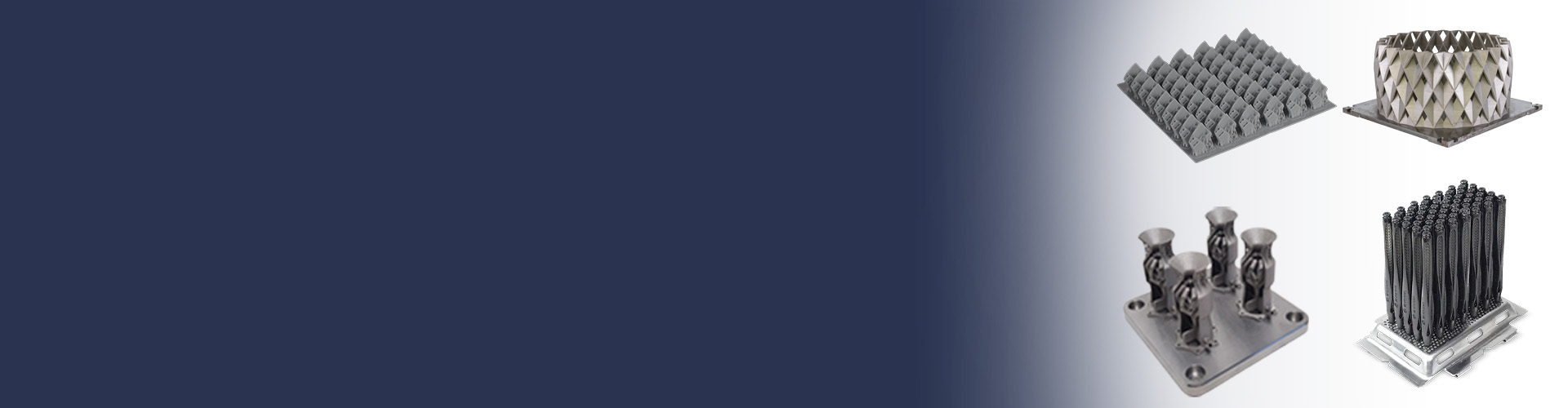
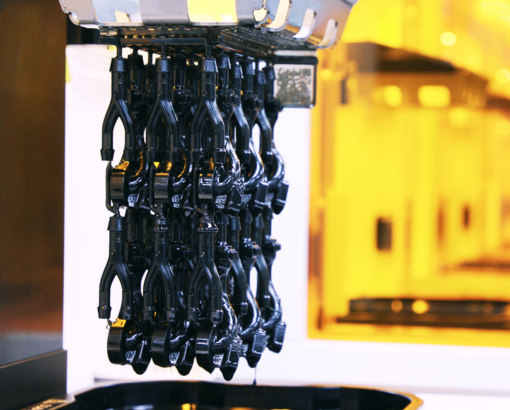
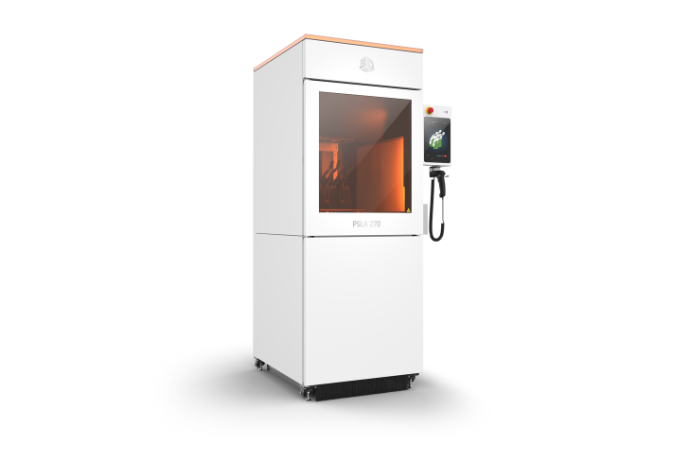
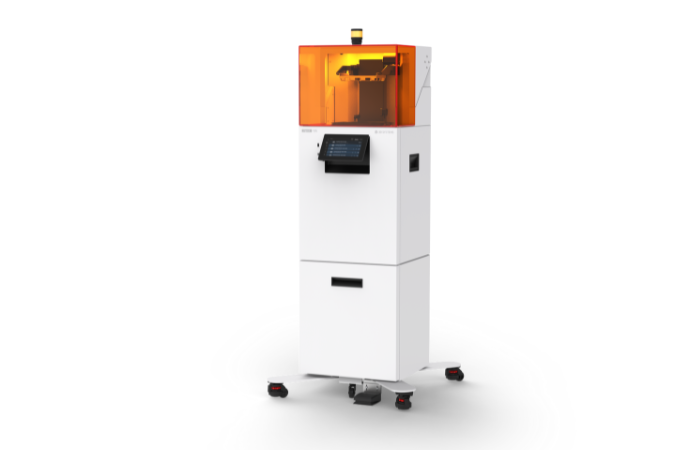
3D printing is transforming how production parts are designed and manufactured. Unlike traditional machining or molding that demands tooling and long lead times, additive manufacturing enables rapid, on-demand production of end-use components.
Whether for small batch manufacturing or full-scale production, 3D printing empowers businesses to deliver durable, high-performance parts faster and more economically.
From aerospace components and automotive assemblies to medical devices and consumer products, 3D printed production parts eliminate production bottlenecks, reduce costs, and provide unmatched design flexibility.
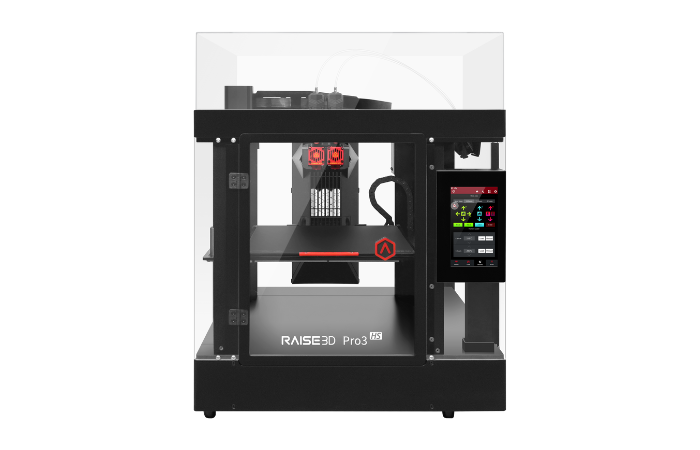
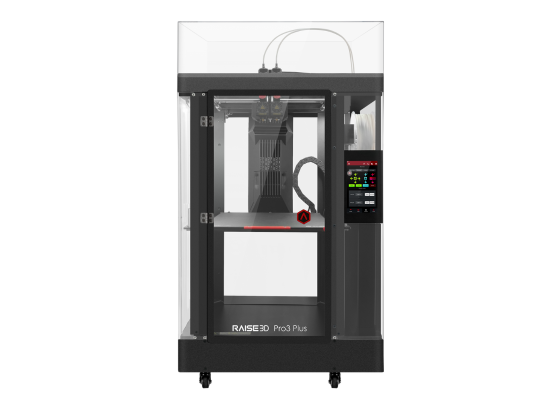
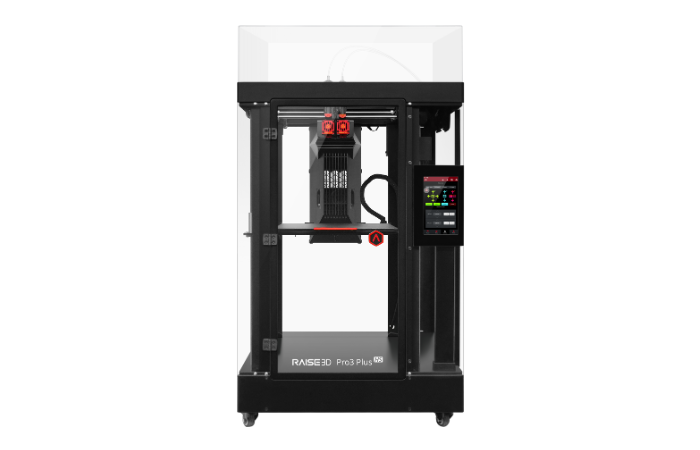
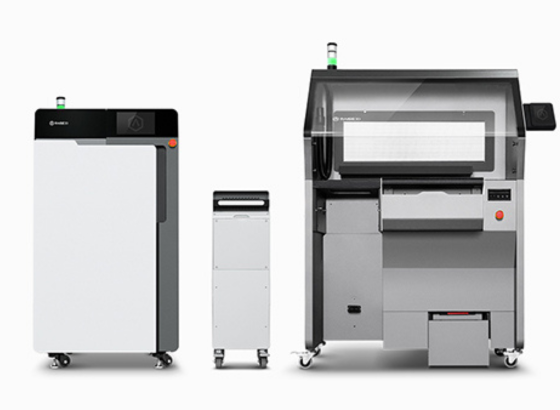
Talk to Our Experts
Discover how 3D printing can enhance your production efficiency, reduce costs, and bring your products to market faster.
Industries Benefiting from 3D Printed Production Parts
Versatile, durable, and precise 3D printed production parts are transforming diverse industries worldwide.


FAQ
Yes — modern additive manufacturing is increasingly used to produce functional, on-demand, end-use parts with comparable performance to conventional methods.
Benefits include elimination of tooling, freedom in design complexity, customization, low volume production and faster time-to-market.
It’s highly effective for low to medium volumes, complex geometries, part consolidation, spare parts, personalized components or niche manufacturing.
Consider material qualification, repeatability, surface finish, cost per part versus injection moulding at higher volumes and post-processing needs.
It enables digital inventory and on-demand manufacturing of spare parts, reducing storage cost, lead-times and risk of obsolescence.