

Overview of SLA
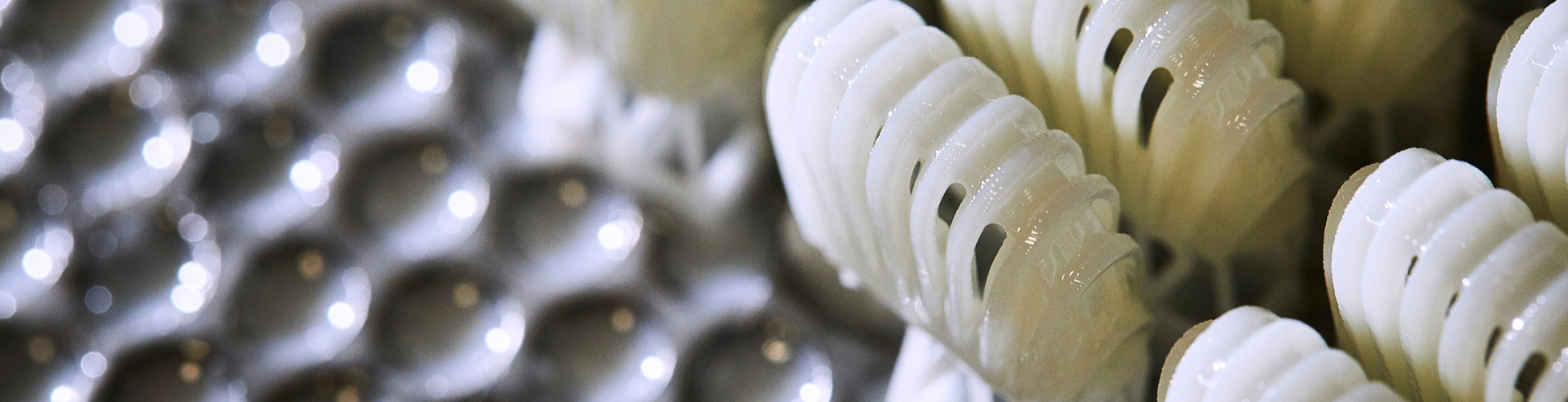
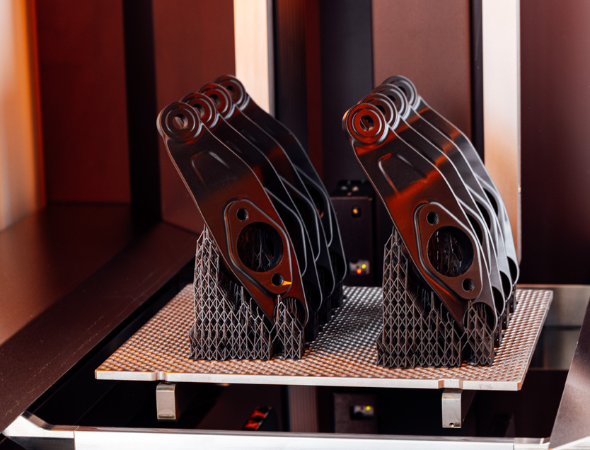
Stereolithography (SLA) 3D printing uses a laser to selectively cure photopolymer resin, creating highly detailed and smooth parts. SLA is ideal for prototypes, concept models, functional testing, and low-volume production. Its ability to produce complex geometries with excellent surface finish makes it suitable for medical, consumer, and industrial applications, supporting fast iteration and reducing time to market while maintaining high quality and dimensional accuracy.
Stereolithography Materials
In ABS-like we currently provide services in these materials Accura Xtreme (SLA)
Key Features
- Tough, durable engineering resin
- High-impact functional strength
- Excellent detail & surface finish
- ABS/PP-like prototyping performance
- Moisture-resistant, stable parts
Applications
- Snap-fit assemblies and fixtures
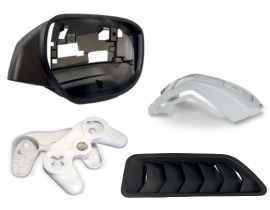
- Consumer product enclosures
- Electronic housings & covers
- Functional prototypes & testing
- Thermoplastic alternative parts
High-Quality Parts, Guaranteed Assurance
SLA parts are inspected for dimensional precision, smooth surfaces, and functional reliability, ensuring consistent quality for prototypes and low-volume production.
Get a QuoteApplications for SLA
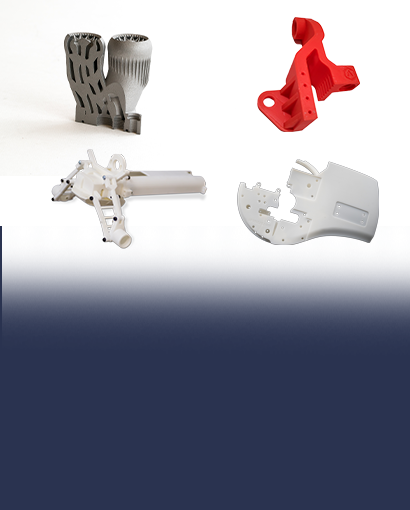
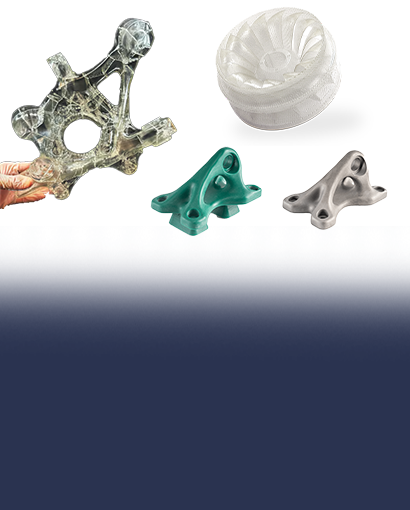
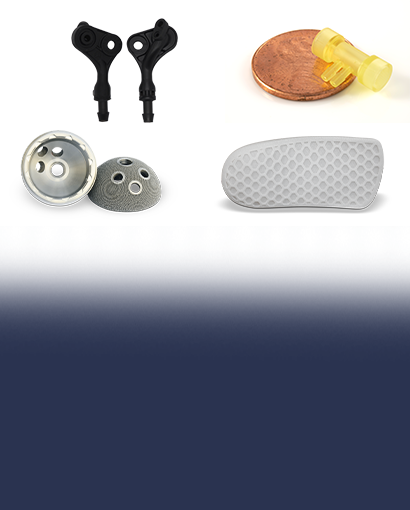
Used for medical models, consumer products, concept prototypes, functional parts, and detailed visual models across industries requiring high detail.
How does SLA work?
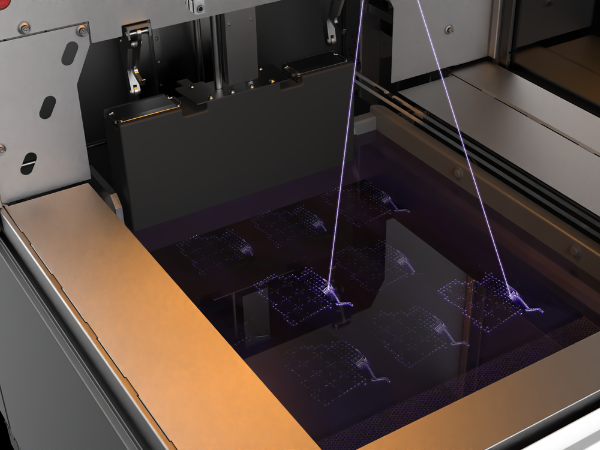
SLA uses a UV laser to selectively cure liquid photopolymer resin, building parts layer by layer. Each layer solidifies as the laser traces the design, forming smooth, high-resolution components. This method allows complex geometries, fine details, and excellent surface finish. SLA is ideal for concept models, functional prototypes, and low-volume production parts requiring dimensional accuracy and visual appeal. Its precise, additive process supports quick iteration, rapid prototyping, and high-quality parts for industrial, medical, and consumer product applications.
Other 3D Printing Services
Explore a wide range of advanced 3D printing services
DLP 3D Printing Services
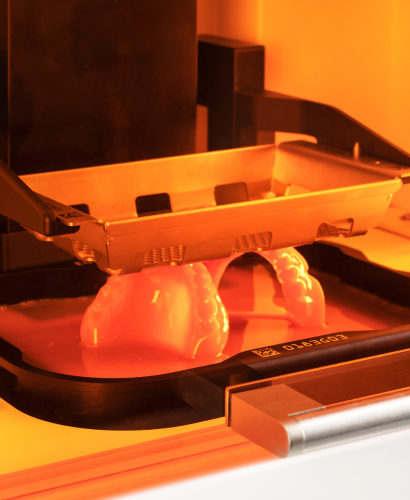
High-resolution, fast, and precise 3D printing using photopolymer resins for functional and visual models.
Know More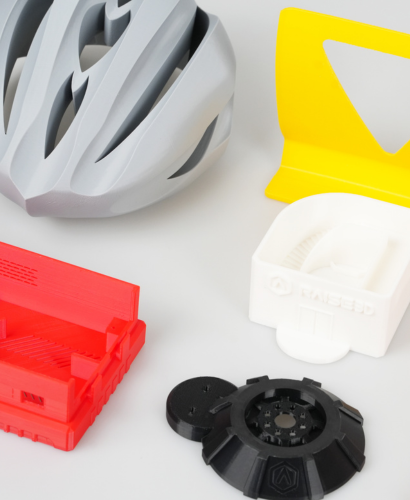
FFF / FDM 3D Printing Services
Reliable, cost-effective, and versatile 3D printing for prototypes, functional parts, and low-volume production.
Know More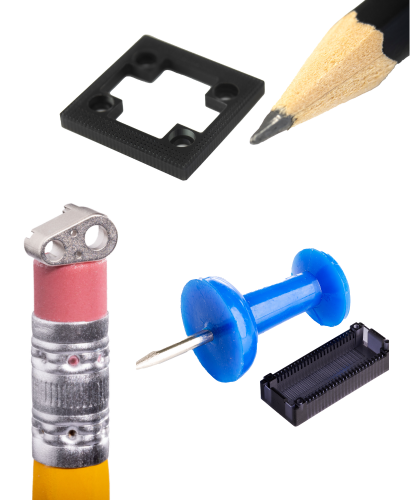
Projection Micro Stereolithography (PµSL)
Ultra-precise micro-scale 3D printing for intricate components and high-resolution prototypes.
Know More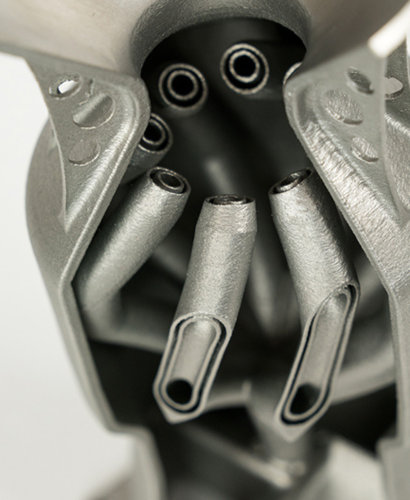
DMP 3D Printing Services
Direct Metal Printing (DMP) gives you complete design freedom to manufacture stronger parts that are light, durable and perform better...
Know More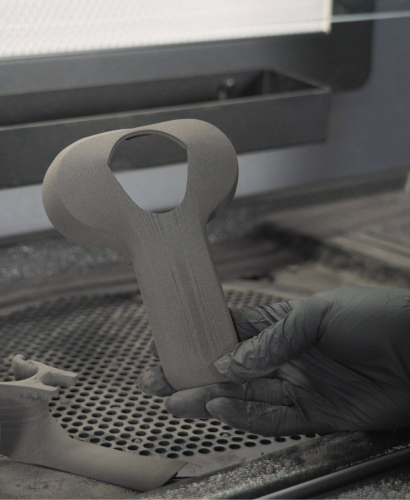
SLS 3D Printing Services
Durable, complex, and functional parts with no support structures using powdered materials.
Know More