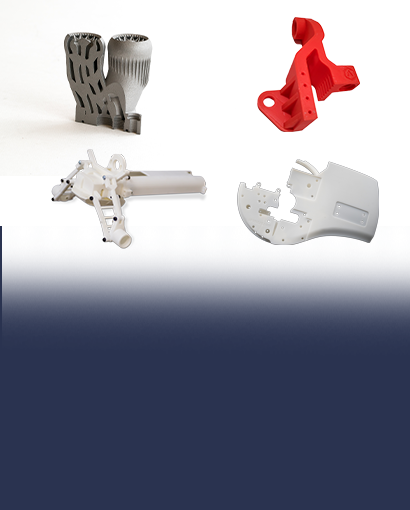
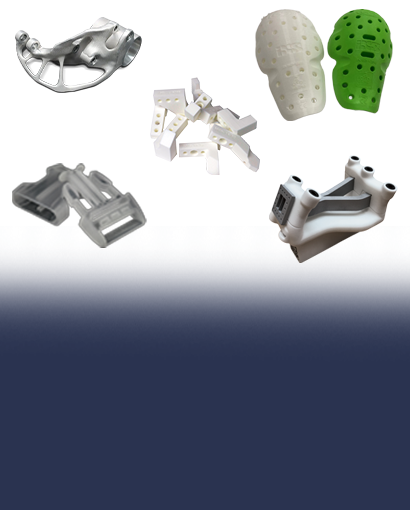
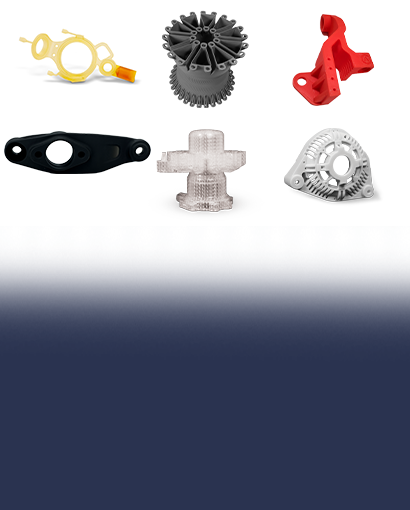
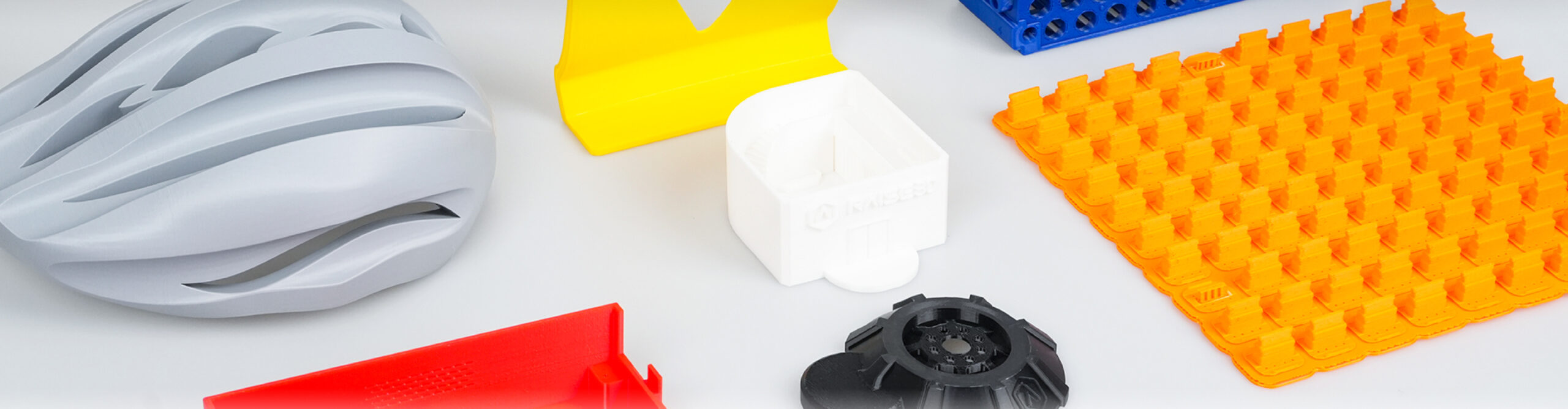
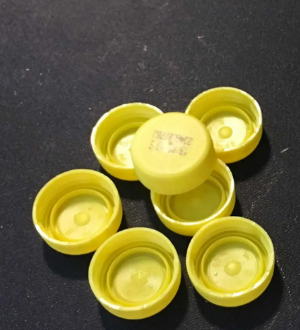
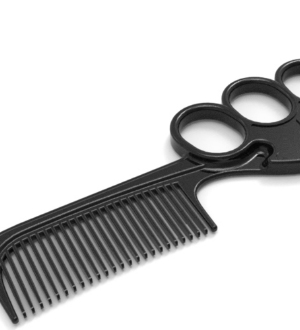
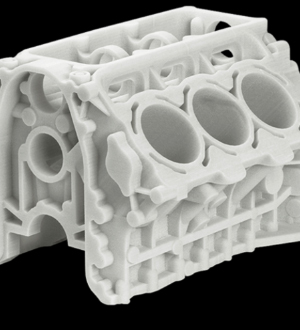
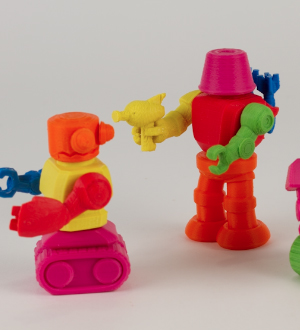
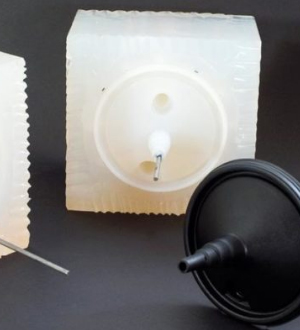
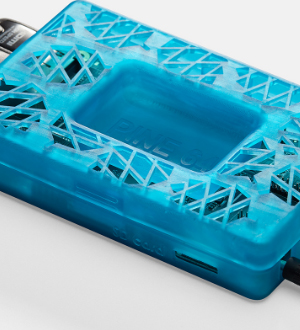
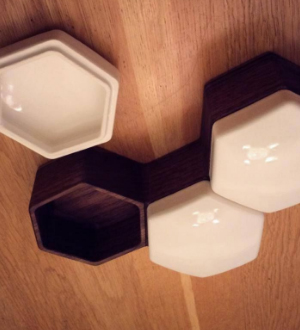
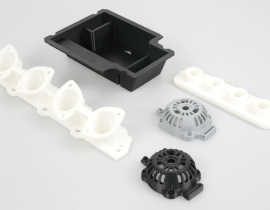
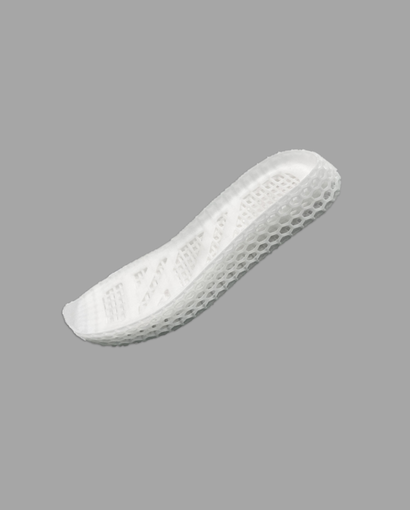
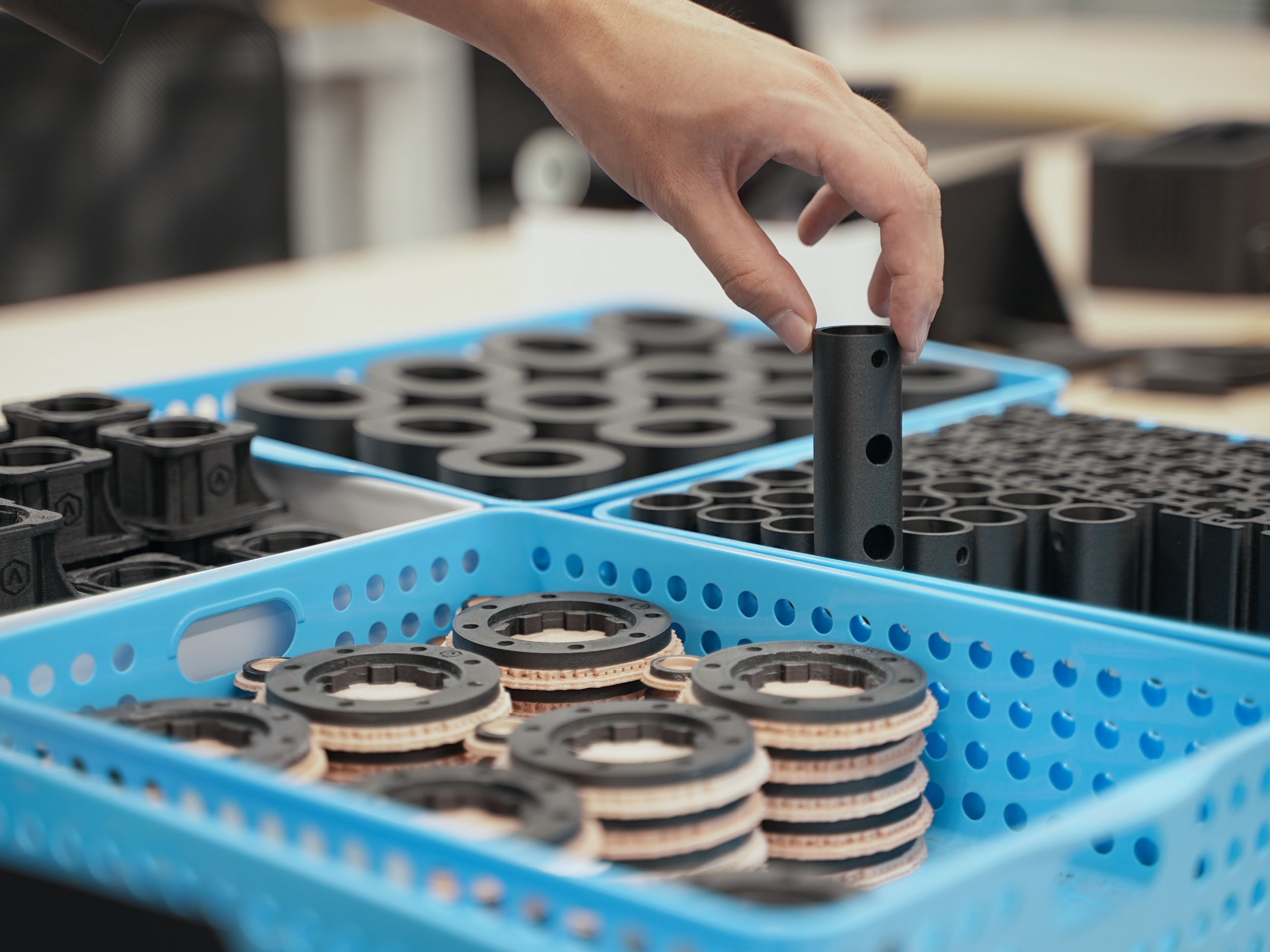
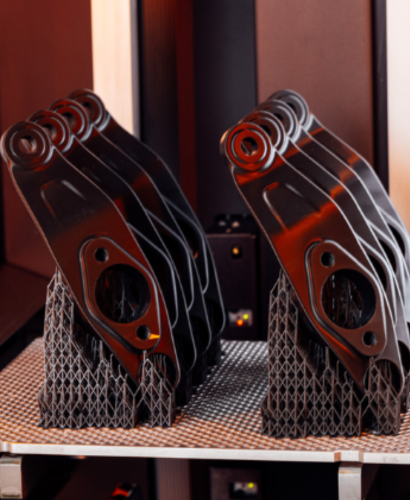
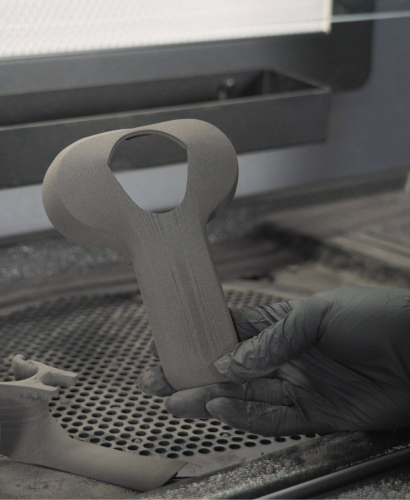
End-use parts that would typically be injection molded with ABS
Overview of FFF / FDM 3D Printing Service Section
Fused Filament Fabrication (FFF), also known as Fused Deposition Modeling (FDM), extrudes thermoplastic filaments layer by layer to build durable, functional parts. FFF is ideal for rapid prototyping, design verification, and small-scale manufacturing. It provides strong mechanical properties, large build volumes, and compatibility with a wide range of engineering-grade materials, making it a preferred choice for automotive, industrial, and consumer product development.
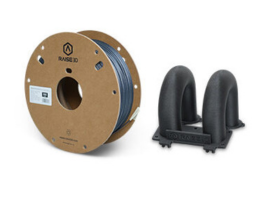
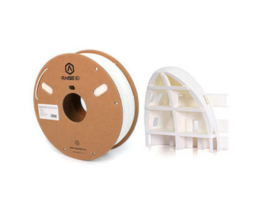
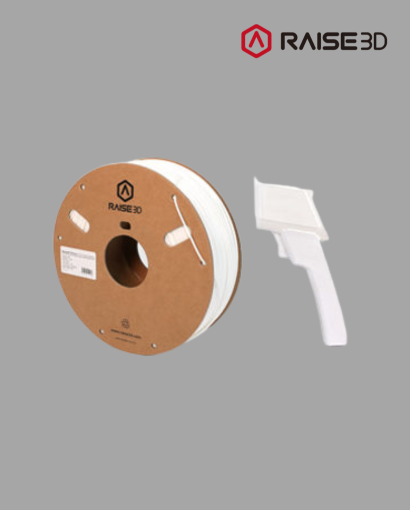
Fused Filament Fabrication (FFF) / FDM Materials
Key Features
Designed for high-speed FFF printing with excellent dimensional accuracy
Superior surface finish and layer adhesion even at high print speeds
Balanced mechanical strength and toughness
Reduced warping and improved print stability
Ideal for cost-effective, rapid design iterations
Applications
Functional prototypes and design validation
Jigs, fixtures, and assembly tools
Concept models and aesthetic prototypes
Short-run manufacturing components
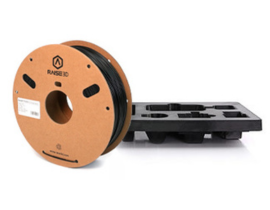
Industrial-grade composite materials built for strength, durability, and heat resistance.
Key Features
Reinforced with carbon or glass fiber for exceptional rigidity
High thermal stability and chemical resistance
Excellent dimensional precision for complex parts
Suitable for demanding industrial environments
Compatible with high-performance printers
Applications
Functional and structural parts for industrial use
FFF / FDM is widely used for functional prototypes, concept models, jigs & fixtures, end-use parts, and tooling components. Its versatility supports automotive, electronics, industrial design, and consumer product innovation.
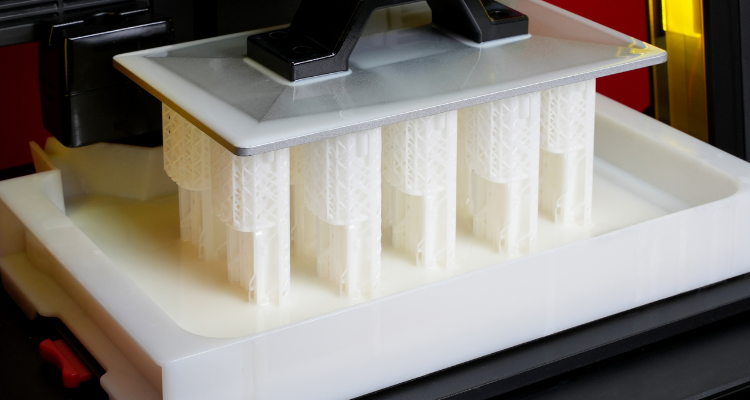
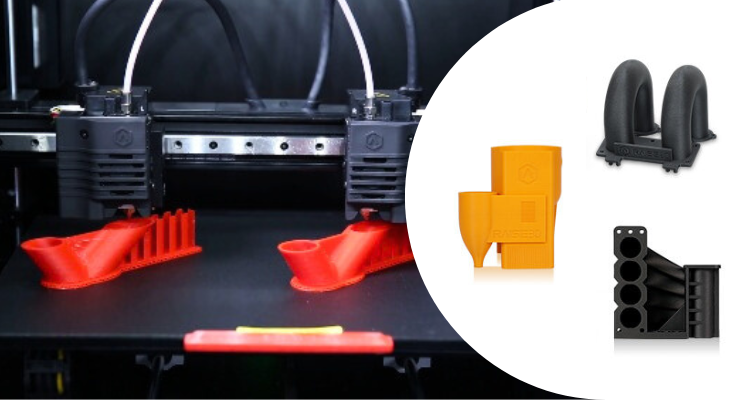
FFF/ FDM works by heating and extruding thermoplastic filament through a nozzle, depositing it layer by layer. Each layer fuses with the previous one as it cools, forming strong and precise parts. This additive process allows for large build volumes, complex geometries, and functional prototypes or end-use components. With a variety of materials available, FFF is ideal for cost-effective prototyping, jigs, fixtures, and low-volume production while maintaining mechanical strength, durability, and repeatable accuracy.
Latest Blogs
Stay updated with the latest ideas, industry insights, and emerging trends we’re exploring.