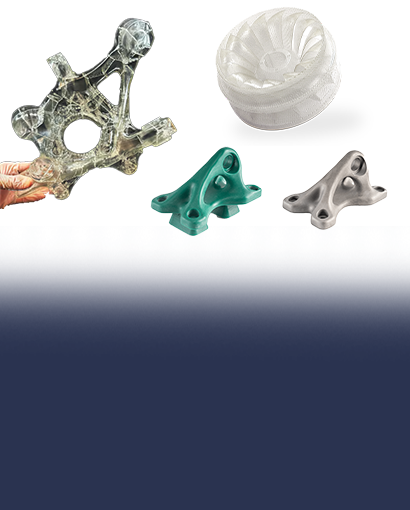
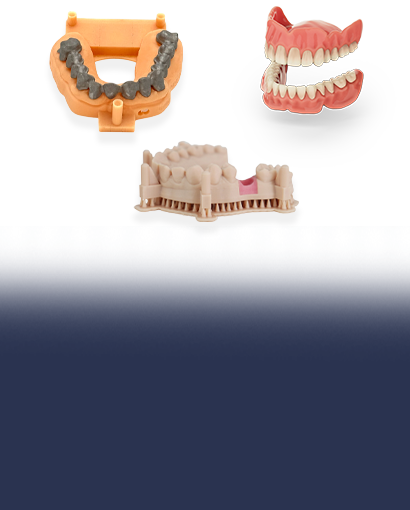
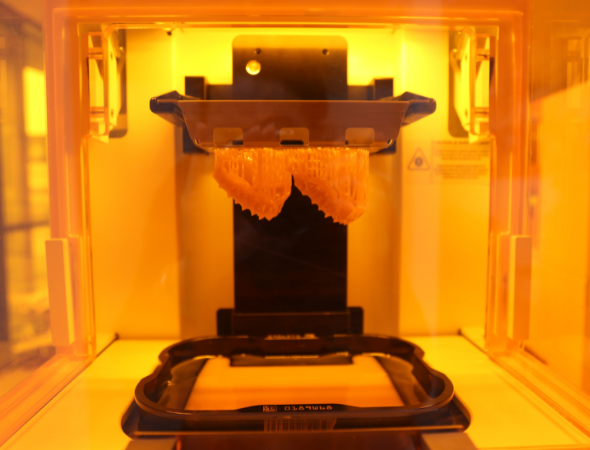
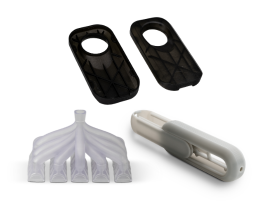
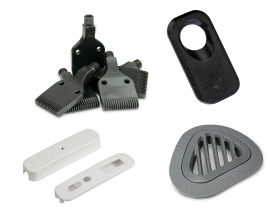
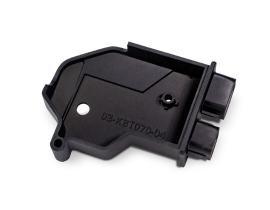
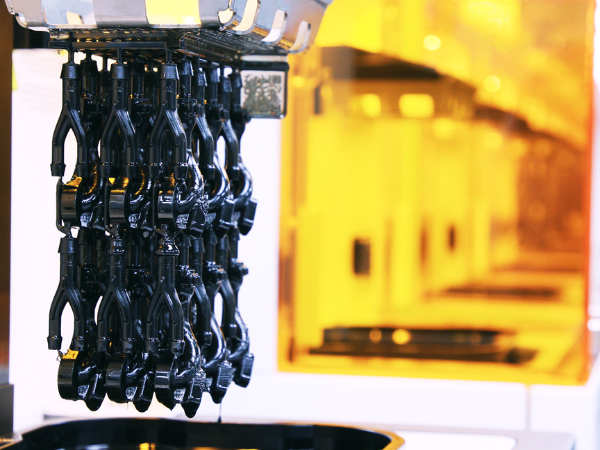
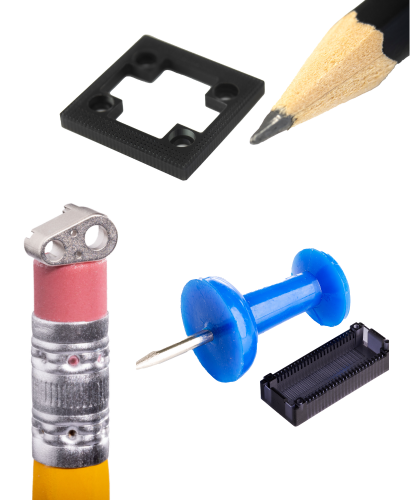
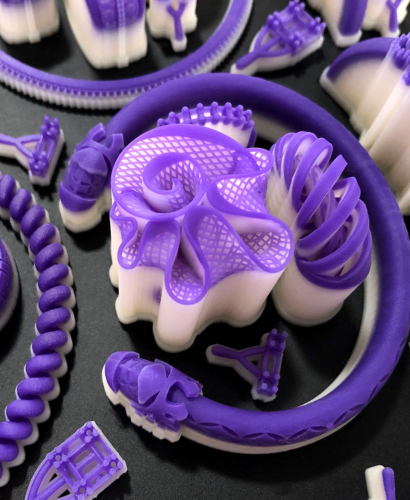
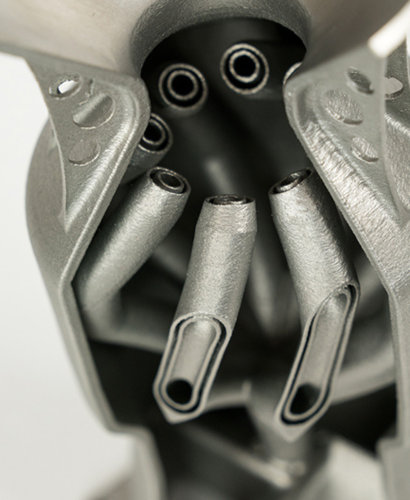
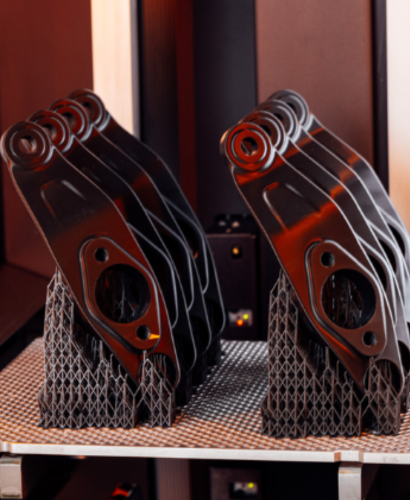
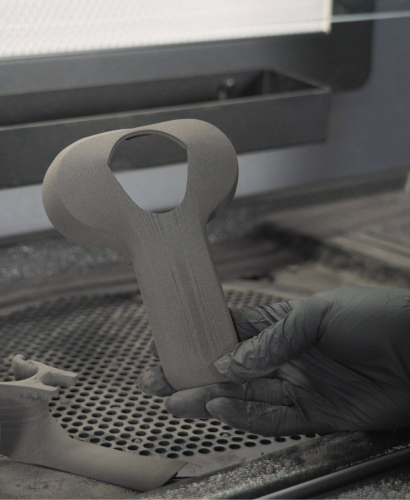
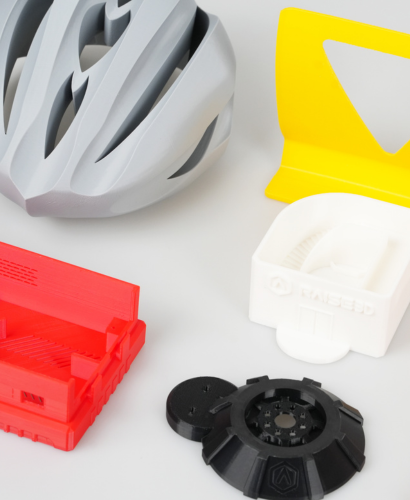
Digital Light Processing (DLP) 3D printing uses a projector to cure photopolymer resin layer by layer, producing highly detailed, smooth, and accurate parts. Ideal for jewelry, dental, and miniature applications, DLP enables rapid prototyping, visual models, and functional testing. Its high speed and resolution support complex geometries, multi-part assemblies, and fine features, helping designers and engineers reduce production cycles and bring products to market faster while maintaining exceptional quality and precision.
Digital Light Processing Materials
In Tough – ABS-like we currently provide services in these materials
Figure 4 Tough FR V0 Black,
Figure 4 Tough Clear,
Figure 4 TOUGH-GRY 15
Key Features
ABS-like toughness performance
High impact resistance
Flame-retardant material option
Clear and opaque variants
Long-term mechanical stability
Production-grade durability
Applications
Functional end-use parts
Electrical housings & enclosures
Transparent covers & lenses
Automotive interior components
Industrial brackets & fixtures
In Rigid – Polycarbonate-like, Urethane-like we currently provide services in these materials
Figure 4 High Temp 150°C FR Black,
Figure 4 Rigid Gray,
Figure 4 Rigid White,
Figure 4 PRO-BLK 10
Key Features
High-temp flame-retardant plastic
Injection-mold-like surface finish
Long-term environmental stability
Excellent detail & accuracy
Biocompatible-capable resin
Applications
Structural housings & covers
Electrical enclosures & brackets
Automotive interior components
Consumer product parts
Snap-fits & functional fixtures
In Durable – Polypropylene-like we currently provide services in these materials
Figure 4 FLEX-BLK 20
Key Features
Flexible, fatigue-resistant polymer
High elongation and impact strength
Polypropylene-like texture and feel
Excellent long-term stability
Easy to clean finish
Applications
Functional flexible prototypes
Automotive styling and clips
Consumer goods enclosures
Electronic component housings
Master patterns for molding
In Elastomer / Rubber-like we currently provide services in these materials
Figure 4 RUBBER-65A BLK,
Figure 4 RUBBER-BLK 10
Key Features
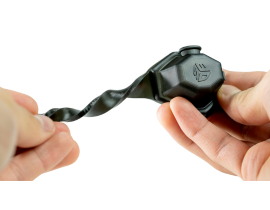
Production-grade rubber-like flexibility
High elongation and tear strength
Slow rebound / vibration damping
Excellent environmental stability
Tough, durable elastomer finish
Biocompatible capable per ISO
Applications
Grips, handles, soft touch parts
Seals, gaskets and housings
Bumpers & vibration dampeners
Strain relief and couplings
Functional production elastomer parts
In High Temperature we currently provide services in these materials
Figure 4 HI TEMP 300-AMB,
Figure 4 MED-AMB 10
Key Features
Ultra-high heat resistance (>300 °C)
Rigid, translucent high-temp plastics
Biocompatible & sterilizable option
True-to-CAD detail accuracy
Excellent environmental stability
Applications
High-temperature component testing
HVAC & motor enclosures
Heat-resistant medical parts
Fluid flow visualization models
Low-pressure molding/tooling
Key Features
Biocompatible and sterilizable material
Rigid, translucent high-temp plastic
Thermal resistance above 100 °C
True-to-CAD detail accuracy
UV and moisture stable
Applications
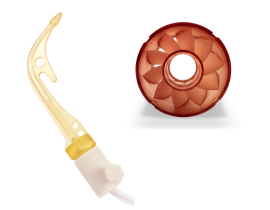
Surgical guides and splints
High-temperature test components
Fluid handling manifolds
Visualization and flow models
Threaded assemblies and parts
Key Features
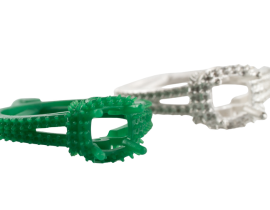
High-resolution jewelry casting patterns
Optimized wax burnout performance
Excellent detail and accuracy
Clean, low-ash burnout models
Repeatable master pattern quality
Applications
Master patterns for gypsum casting
Precision jewelry investment casting
Customer sample design validation
Casting patterns for precious metals
High-detail direct casting workflow
High-Quality Parts, Guaranteed Assurance
Each DLP-printed part undergoes rigorous quality checks, ensuring smooth surfaces, dimensional accuracy, and consistent performance across batches.
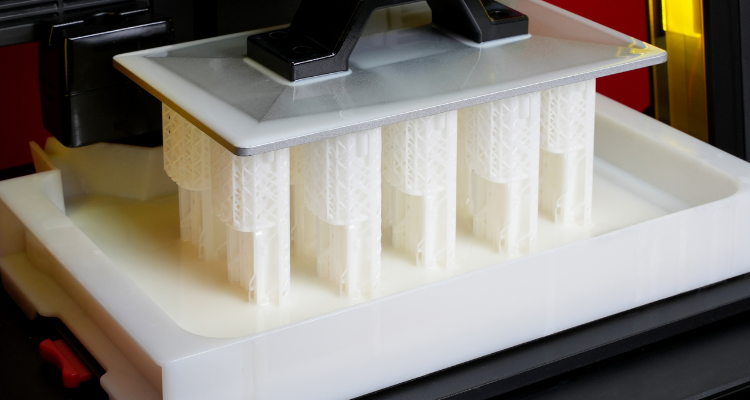
DLP 3D printing uses a digital light projector to cure liquid photopolymer resin layer by layer. Each layer is exposed to a precise pattern of UV light, solidifying instantly. By repeating this process, highly detailed parts with smooth surfaces and fine features are produced quickly. DLP enables fast prototyping of complex geometries, miniature models, and functional parts with exceptional precision. Its speed, resolution, and ability to handle intricate designs make it ideal for dental, jewelry, and high-detail visual prototypes.